

Have you ever stood in front of a bunch of bouquets at the grocery store and wondered which one you're supposed to choose, and how you'll know it's not going to die tomorrow? Yea, me too.
How to pick a fresh bouquet
When you're shopping for flowers, age, heat, and sanitation matter most. (Hint: Old flowers die faster.) Pick up that bouquet, give it a visual inspection, and then turn it upside-down and give it a polite shake. You should observe:
Firm petals and upright stems. No petals should fall off, and nothing should be droopy.
A mix of open flowers and partially open buds. On your kitchen counter, you want a mix that opens over time, so you can enjoy a fuller experience.
Clean stems and leaves that are firm, not slimy. Icky textures and funky odors mean there's bacteria in the water, which your flowers will have absorbed up their little stem straws. Bacteria = decay.
Pollen that stays in place. If there are bits of fluff everywhere, the flowers are past their prime.
If you try this freshness checklist, you'll get better flowers from anywhere you shop. No Martha Stewart skills required.
Where to find fresh, local flowers
Local farms (of course). Farmers make the most profit when you buy direct. Plus, growers love to meet their customers! Sacramento-area farmers markets are full of wonderful local growers.
Freshline Floral Products (Sacramento). A wholesaler open to the public that sources from us and other Northern California farms. Great if you want something specific or in large quantities. Tell them you'd like to source from local farms as much as possible.
Regional grocers (in season). Local grocery chains with solid floral programs may not offer locally grown options, but they are like to carry fresher, higher-quality product than you’ll find at big-box stores.
LOCAL FLOWERS TAKE THE CAKE
Did you know that 80% of the flowers sold in America are imported? That means they’ve been traveling a long time before they get to your kitchen counter.
But flowers from our farm are sold 24 to 72 hours after harvest, so our customers can enjoy the longest vase life possible. Every stem is evaluated for quality, stripped of lower leaves, sorted by variety and plunged into cool water to rest and hydrate. From there, flowers go into a walk-in cooler to slow their metabolism and extend vase life. They are happy and healthy! (And you might get a ladybug.)
Get them home fast
Don’t dilly dally, as my mom would say. Flowers don’t want to hang out in the car while you peruse Target. Turn on the AC, go home, and give those blooms a little TLC.
You’ll want to remove all rubber bands, twist ties and packaging, and gently untangle the stems (for flowers, that’s like taking your bra off). You want to get them "conditioned," which means cleaned up, recut, and rehydrated. I bring a lot of flowers into my house directly from the field, so to remove bugs and clean things up, I often submerge everything in my big farmhouse sink.
You’ll also want to strip off any leaves that will sit below the waterline in your vase. Submerged foliage will decay and spread bacteria. Then cut stems at a sharp angle to increase the surface area for water.
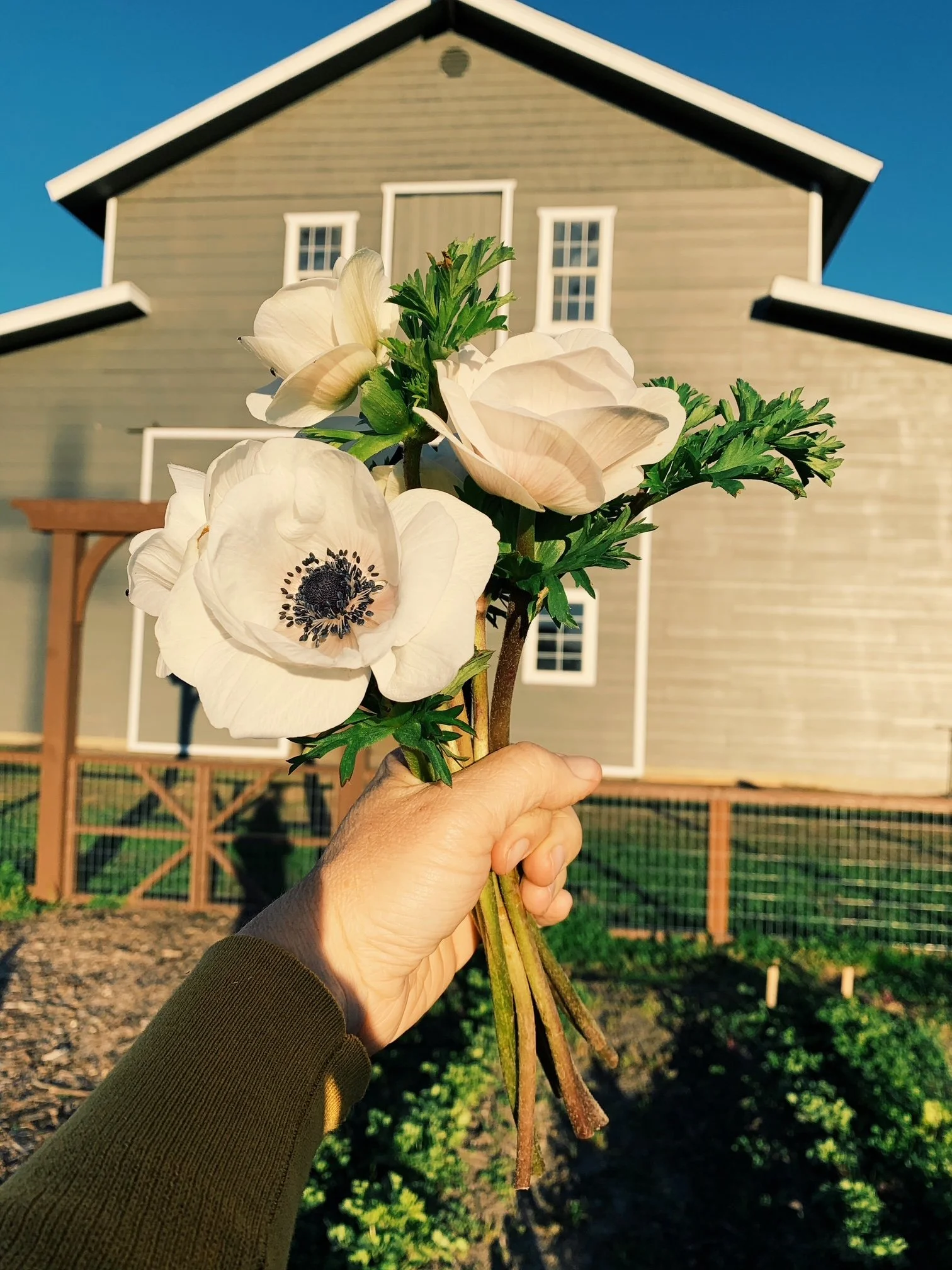
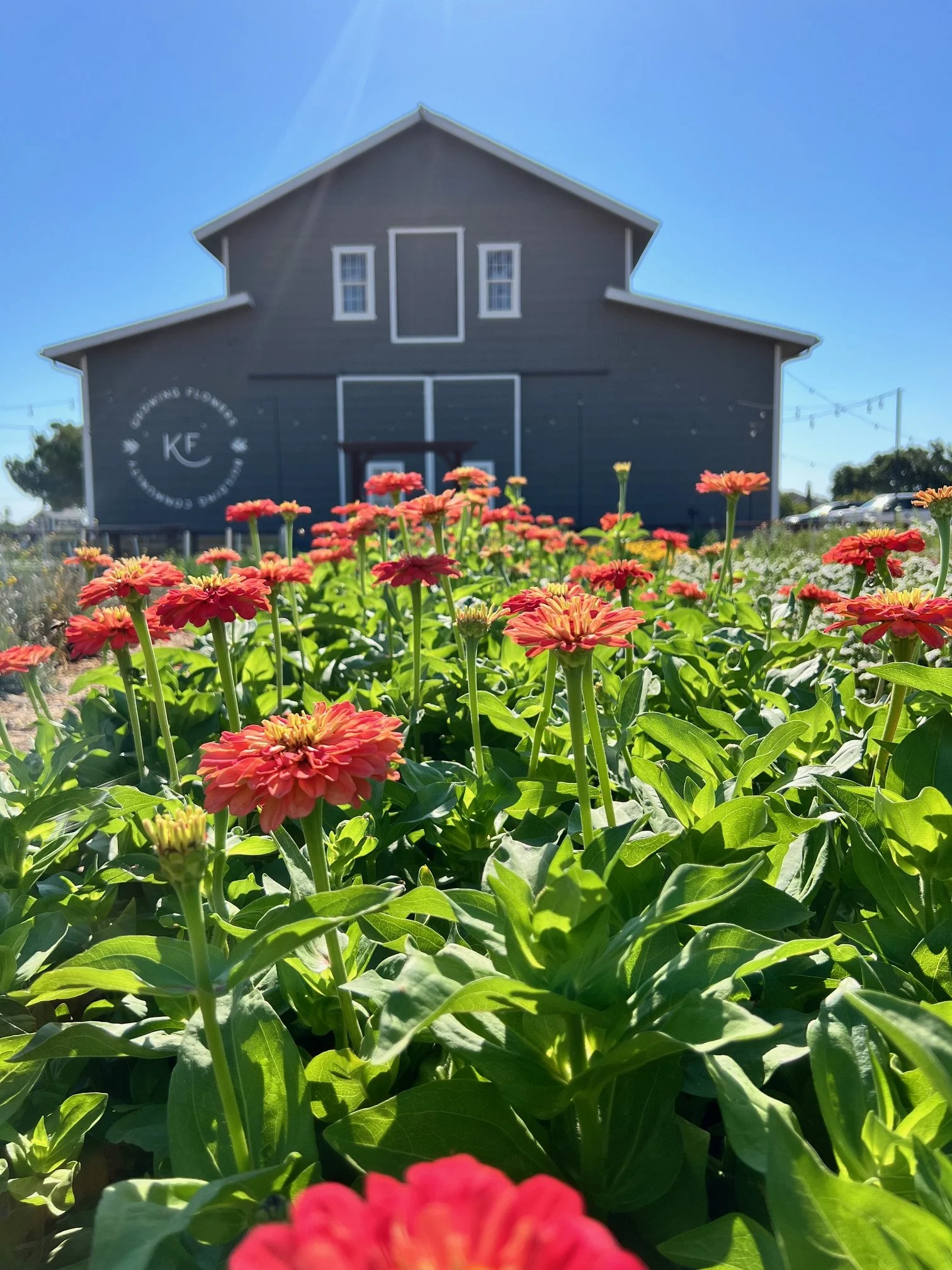
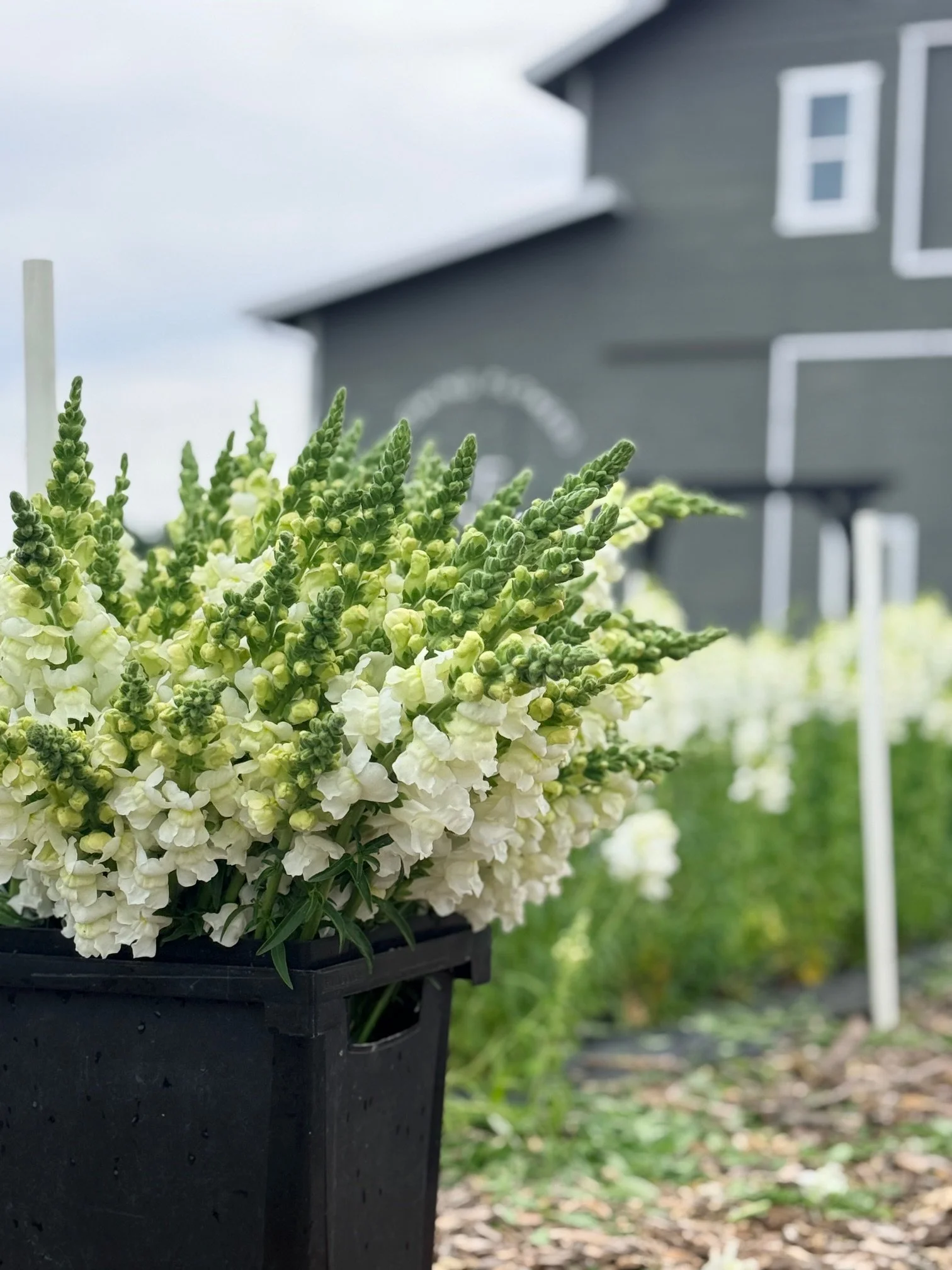
Clean vase, clean water
Thoroughly sanitize your vase before you begin, because any lingering bacteria will cause decay. I wash mine with hot, soapy water and a little bleach.
Big rule for life: If you don't want to drink the water or take a bath in it, your flowers don't either.
The rule for flower water is to change it any time it's not crystal clear. If you're arranging with "dirty" flowers like sunflowers, you'll notice the water turns brown fast, so you'll have to change it every day. When you change the water, snip a half-inch off each stem to help the flowers open their little straws again. Your new arrangement will be especially thirsty on the first and second day, so top off the water in the first 24 hours.
Keep them cool
Cut flowers love cool temperatures and don't like direct sunlight or drafts, so keep them away from windows, air-conditioning vents, and heaters. And don't keep your flowers by the fruit bowl. Ripening fruits release a gas called ethylene that makes some flowers fussy.
What about flower food?
Those little packets contain citric acid, sugar, and bleach. The citric acid lowers the pH of the water, the sugar feeds the flowers, and the bleach prevents bacterial growth. Flower food is beneficial but not mandatory, and it's far less crucial than routinely changing the water. Loving your flowers with clean, fresh water is the best way to keep them happy and healthy.
more dirt
How should flowers last? It depends. Some flowers naturally die faster. Poppies, for example, last about three days, and dahlias last five at most, but marigolds and basil will blow past the two-week mark if properly cared for. Remove stems individually as they die so they don't decay in the vase.
Should I put my flowers in the refrigerator? A household refrigerator usually isn't ideal because it's often too cold, too dry, and full of produce that releases ethylene gas. A cool room away from sun and vents is better.
My flowers are done, but the greenery looks great. Now what? Many greens can live much longer than the flowers. Pluck out the spent blooms and add a few fresh ones, or just rearrange the greens.
Flowers at your door
If you love flowers in your home and you live in West Sacramento, The Flower Club might be the thing for you. Club members receive a bucket of farm-fresh flowers delivered straight to their doorstep each month. Up your alley? Check it out!
Happy arranging!


How to pick a bouquet that won't die tomorrow, and how to keep it happy once it's home.